WATCHING YOUR BABY grow is full of milestones, and one of the most anticipated (and sometimes dreaded) is the arrival of their first tooth. Teething is a natural part of development, but it can bring plenty of questions for new parents. Here’s what you need to know about when to expect those little teeth and how to help your child through the process.
When Do Baby Teeth Typically Arrive?
Most babies get their first tooth between 6 and 10 months old, though some may start as early as 3 months or as late as 12 months. There’s a wide range of “normal,” so try not to worry if your baby’s timeline looks different from a friend’s or sibling’s.
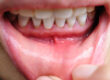
Typically, the lower front teeth (central incisors) come in first, followed by the upper front teeth. By age 3, most children have a full set of 20 primary teeth. Here’s a general guide:
- 6 to 10 months: Lower and upper central incisors
- 9 to 13 months: Lateral incisors
- 13 to 19 months: First molars
- 16 to 22 months: Canines
- 23 to 33 months: Second molars
Signs Your Baby Is Teething
Teething symptoms vary from child to child, but common signs include:
- Increased drooling
- Swollen or tender gums
- Irritability or fussiness
- Chewing on objects or fingers
- Mild disruption to sleep or feeding
Contrary to popular belief, teething typically does not cause high fevers or diarrhea. If your child has a fever above 100.4°F or seems unusually ill, it’s worth checking with your pediatrician to rule out other causes.
How to Soothe a Teething Baby
- There are several safe ways to ease your child’s discomfort:
- Chilled teething rings. Cold (not frozen) teething rings can numb sore gums and provide relief.
- Gentle gum massage. Use a clean finger to rub your baby’s gums gently.
- Cold washcloth. A damp, chilled washcloth is a simple, effective teething tool.
- Pain relief, if needed. For particularly fussy days, ask your pediatrician about appropriate doses of infant acetaminophen or ibuprofen.
Avoid teething gels with benzocaine, as they carry safety risks for infants, and skip amber teething necklaces, which pose a choking and strangulation hazard.
Caring for New Teeth
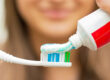
Even before the first tooth appears, you can start good oral hygiene habits by wiping your baby’s gums with a soft, damp cloth after feedings. Once teeth emerge, switch to a soft-bristled infant toothbrush with a rice-sized smear of fluoride toothpaste.
Your child’s first dental visit should happen by their first birthday or within six months of their first tooth appearing, whichever comes first. Early visits help establish good habits and let your dentist catch any issues before they become bigger problems.
The Bottom Line
Every child’s teething journey looks a little different, but understanding the general timeline and symptoms can help you feel prepared. If you ever have concerns about your child’s dental development, don’t hesitate to reach out to your pediatric dentist.